Find a property
Find a property
Find a property

From modern apartments to character country houses, start the journey to your dream home.

Sell or let
Sell or let
Sell or let

As local experts with global reach, we’ll help you find the right buyer or tenant for your property.

Services
Services
Services

We offer a full range of property-related services. From financing to interiors, we’ve got you covered.

People & offices
People & offices
People & offices

Our team of more than 20,000 people operates across 600 offices in over 50 markets around the globe.

Insights
Insights
Insights

Delve into our publications and reports for lifestyle trends and on-the-pulse market knowledge.

Identifying period homes: how to tell if your property is Georgian, Victorian or Edwardian

Knowing your architectural styles is handy when you’re house-hunting - Pippa Jackson and Ellie Pryor delve into the appeal of these homes and share a simple guide to help you identify some of the most popular periods

5 mins read

Identifying period homes: how to tell if your property is Georgian, Victorian or Edwardian

When reading property listings, you’re probably used to seeing words like ‘Victorian’ used to describe housing styles. In fact, perhaps you could even identify a building as having a distinctive ‘period look’. But what exactly do these definitions mean, and what are the signifiers you should look out for? More importantly – why does it matter?

Will Watson is Head of The Buying Solution, Knight Frank’s independent buying consultancy that specialises in sourcing the finest properties for their clients. He notes that period homes continue to hold strong appeal across a wide range of buyers, particularly among international clients. “The quintessential English house is often deeply attractive,” he says. “Styles like Georgian are especially popular, thanks to their large sash windows, generous proportions, high ceilings, and formal entertaining spaces - features that many buyers may not find in their home countries.”

Considerations

Period homes offer a wealth of charm and character, and it’s easy to be drawn in by their unique architectural details. But as Watson advises, buyers should go in with their eyes wide open, not just to the potential cost of renovations, but to the ongoing maintenance such properties often require. “I remember a client telling me years ago that owning an old house is like owning a classic car - you’re always tinkering with it,” he says. “Do your research and carry out proper due diligence. If you fall in love with an older property - especially one that’s listed - be prepared: any work will likely take longer and cost more than you expect.”

He also advises buyers to manage their expectations when it comes to both the style of property and its location. “With period homes, you’re ultimately governed by the architecture,” he explains. “Buyers often begin with a specific area in mind, but the prevailing architectural style there may not align with the type of house they’re looking for. Sometimes, compromise is necessary.”

While there’s no strict definition of a period property, the term typically refers to buildings constructed before the First World War. These homes encompass a range of architectural styles, but three of the most distinctive - and still highly sought-after today - are Georgian, Victorian, and Edwardian, each of which we explore below.

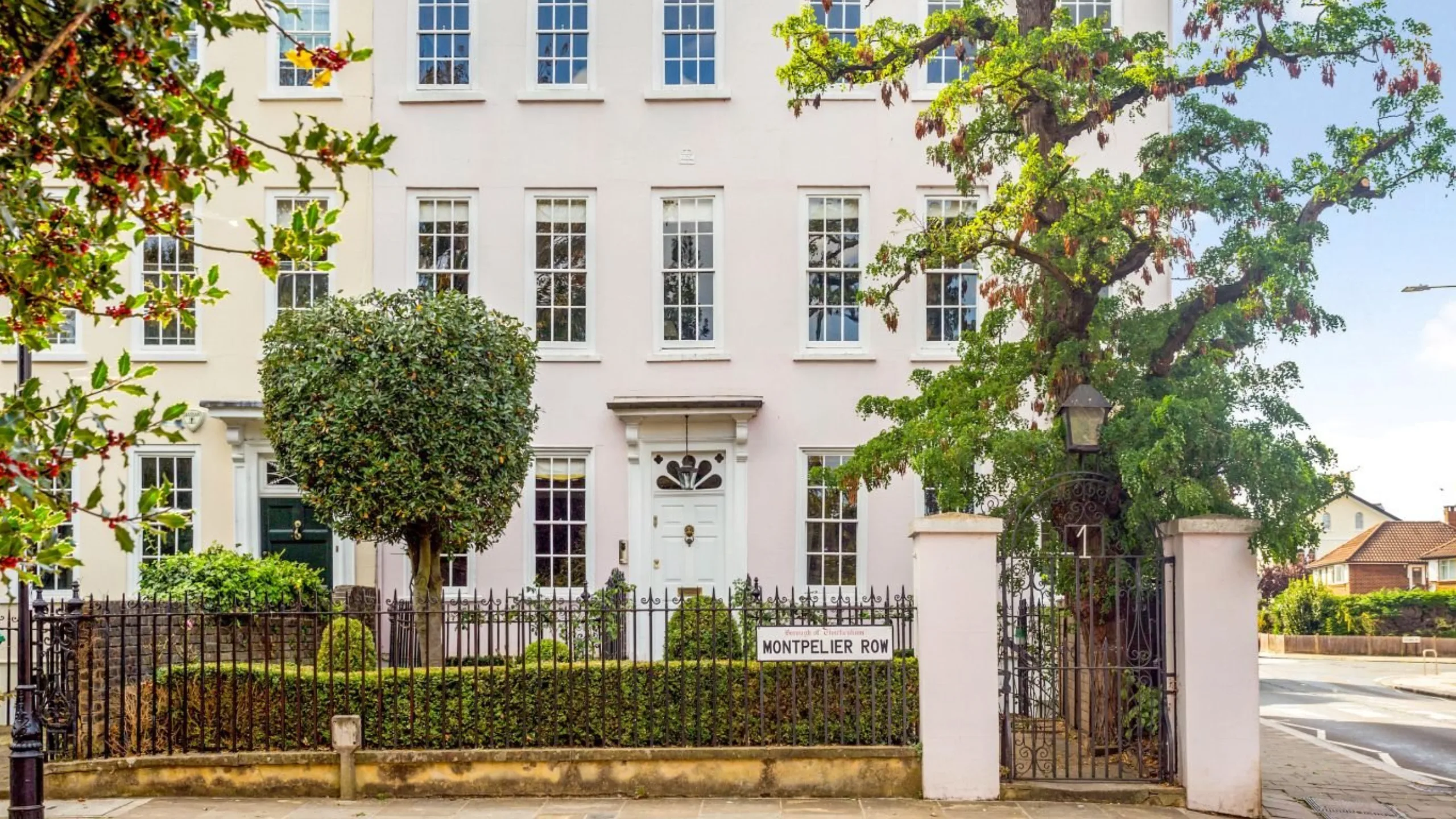
Montpelier Row, St Margarets, TW1

Exterior of Georgian townhouse with white walls and trees in the background

7 bedroom townhouse for sale in Twickenham, London. Guide price £3,800,000

Georgian

The Georgian era is the oldest of the three architectural styles, spanning from 1714 with the reign of King George I to the death of King George IV in 1830, with the late Georgian period extending to 1837.

Georgian homes were considered revolutionary for their time, prioritising generous proportions, large windows, and abundant natural light, unlike the smaller, darker homes that came before. A common feature of Georgian properties is a less elaborate top floor with lower ceilings and smaller windows. This was typically where household staff lived, while the main family occupied the more spacious first and second floors.

Key characteristics of a Georgian property

  • Large sliding sash windows with small panes — a telltale sign is a bricked-up window. Between 1696 and 1851, homeowners had to pay a window tax in place of income tax, prompting many homeowners to brick up windows to reduce their tax bill
  • Townhouses arranged over three or four storeys, often with small or dormer windows on the top floor
  • Elegant, symmetrical exteriors and balanced bright, light and airy interiors
  • Stucco-fronted façades, where original stonework was coated in white or cream plaster. Early Georgian homes often rendered only the lower level, leaving upper brickwork exposed. By the Regency period (1811–1820), full rendering became more common
  • Many Georgian properties will not have their own garden, and instead were built around garden squares

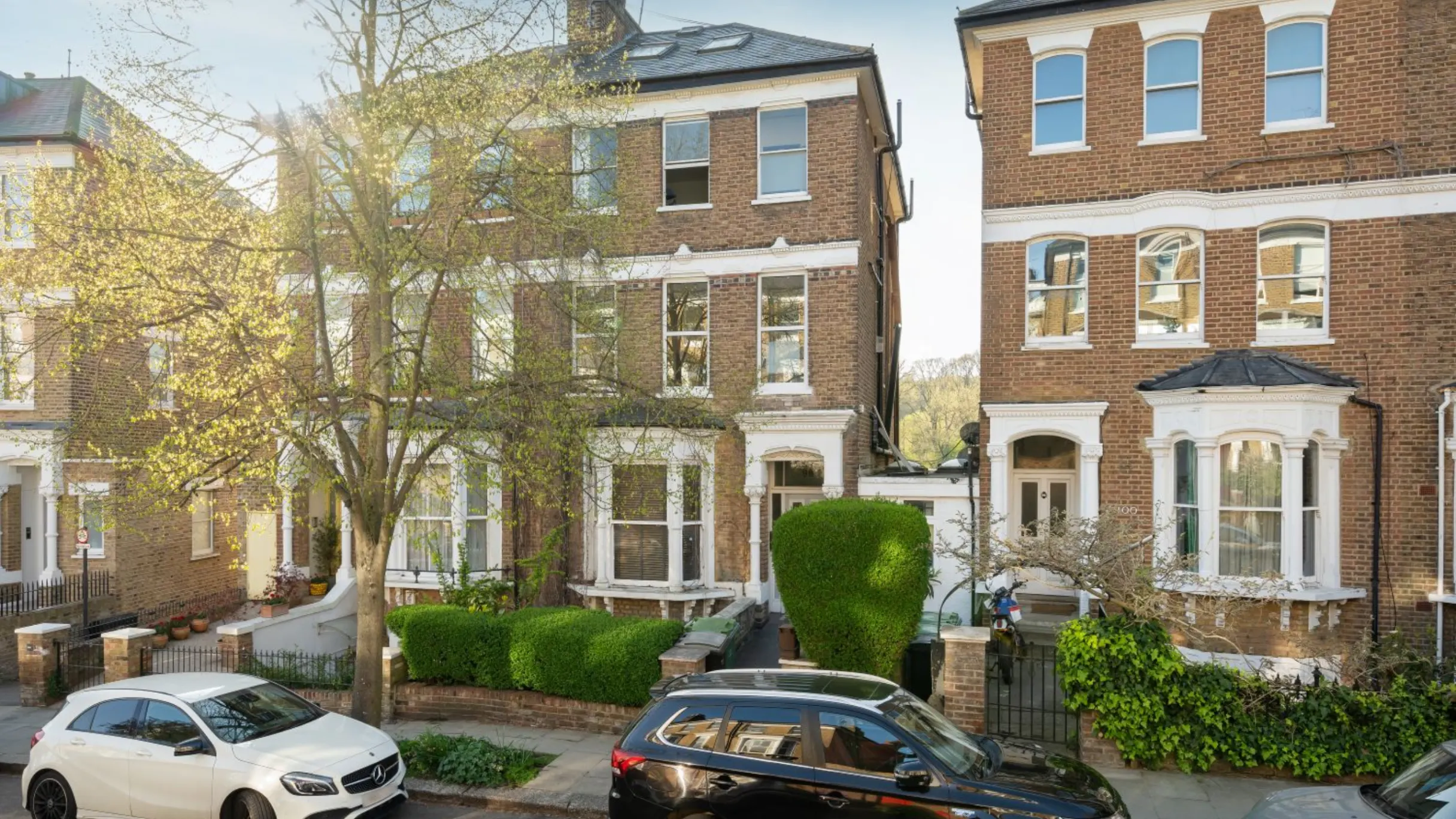
South Hill Park, NW3

Exterior of two Victorian three story properties with bushes and a tree outside

4 bedroom house for sale in Camden, London. Guide price £6,550,000

Victorian 

Spanning 1837 to 1901, the Victorian era, under Queen Victoria’s reign, marked a major shift in social attitudes, architecture, and home ownership. While Georgian homes were typically commissioned by the gentry or wealthy landowners, the Industrial Revolution sparked a boom in more modest, widely accessible housing. 

Georgian features like large windows and high ceilings carried into Victorian designs, though homes generally became smaller. Over time, Victorian architecture evolved from simple to increasingly decorative, paving the way for the ornate Arts and Crafts movement and, eventually, the Edwardian style.

Key characteristics of a Victorian property

  • Coloured brickwork and a brickwork porch
  • Narrow hallways with multiple entertaining rooms
  • Sash or bay windows, often with window seats
  • High ceilings
  • Stained glass windows
  • A fireplace in every room
  • If any decoration remains – heavily patterned, ornate cornicing, floral wallpaper and geometric tiles in the hallway

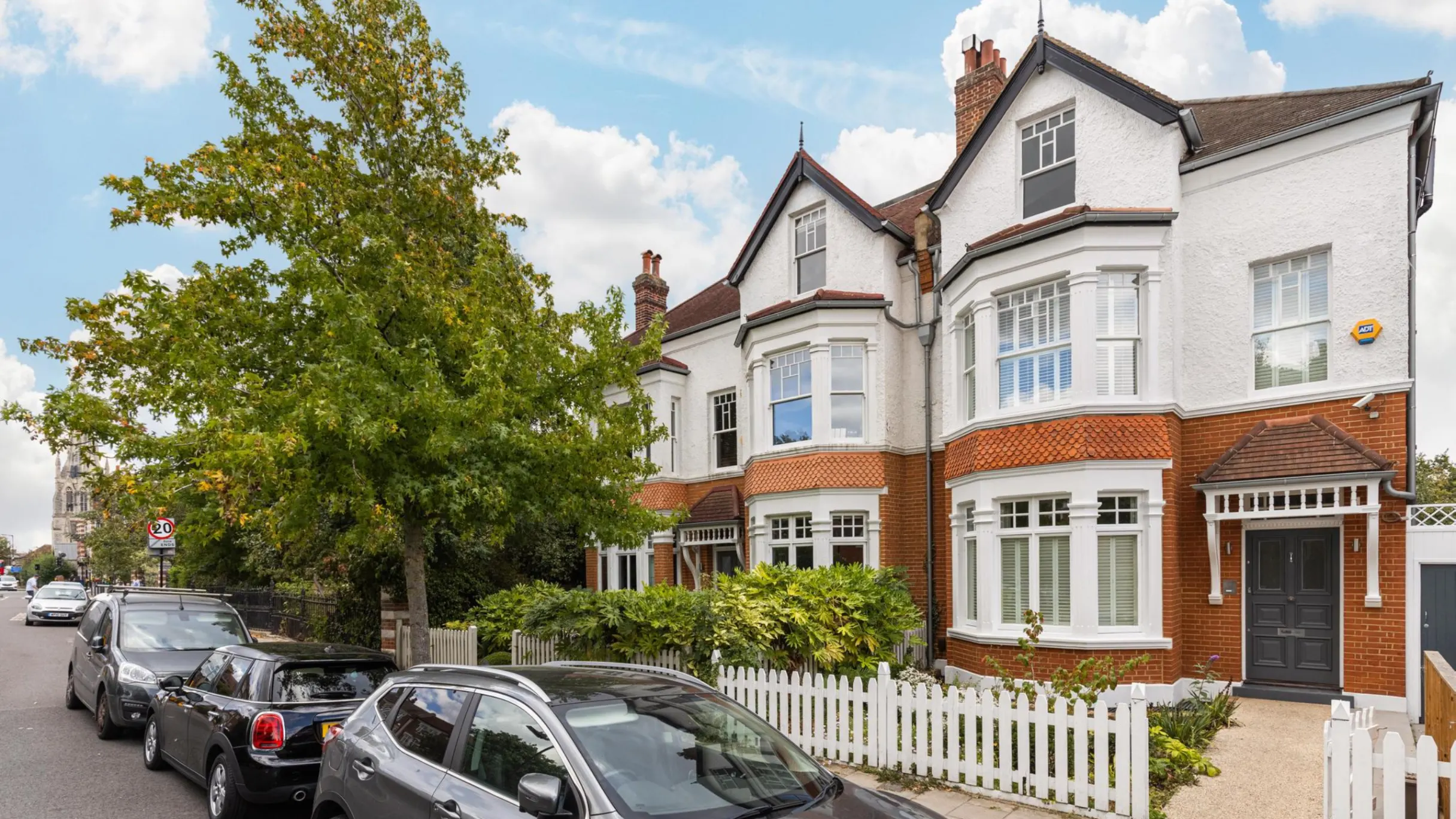
Eynella Road, SE22

Exterior of Edwardian property with red bricks and white fence, with trees and cars in front

4-5 bedroom house for sale in Dulwich Village, London. Guide price £3,750,000

Edwardian

The Edwardian era (1901–1910), though brief, left a lasting architectural legacy that extended to the start of World War I in 1914. Influenced by the Arts and Crafts movement, it championed handcrafted design over the mass production of the Victorian age. Edwardian homes, often found in emerging suburbs, introduced the concept of ‘garden suburbs’, prioritising privacy, green space, and set-back from the street with front gardens.

Key characteristics of an Edwardian property

  • Symmetrical façades, with balanced and evenly spaced windows and doors
  • Rooms that are wide in dimension, as opposed to high ceilings
  • More likely to have a front garden
  • Red brickwork
  • Large windows
  • Porch with a wooden frame
Find your dream home

Discover more properties for sale across the UK

Similar articles

Get in touch

Thank you
for getting in touch

A member of our team will be in touch with you as soon as possible to discuss your enquiry.

We look forward to speaking with you soon.

We take the processing and privacy of your information very seriously. Your data is collected and used in accordance with our terms and conditions and global privacy policy.

This site is protected by reCAPTCHA and the Google privacy policy and terms of service apply.

Sorry!
An unexpected error has occurred.

Please try again later.

Sending your message...